
font-family: ‘Arial’, sans-serif;
line-height: 1.8;
color: #333;
max-width: 1200px;
margin: 0 auto;
padding: 30px;
background-color: #f8fbf8;
}
h1 {
color: #006747;
text-align: center;
font-size: 2.6em;
margin-bottom: 30px;
padding-bottom: 15px;
border-bottom: 3px solid #d4edda;
}
h2 {
color: #28a745;
font-size: 1.8em;
margin-top: 45px;
margin-bottom: 20px;
padding-left: 15px;
border-left: 5px solid #28a745;
}
p {
margin-bottom: 25px;
text-align: justify;
}
.intro-section {
background-color: #e8f6e9;
padding: 25px;
border-radius: 10px;
margin-bottom: 35px;
box-shadow: 0 5px 15px rgba(0,0,0,0.05);
}
.image-container {
text-align: center;
margin: 40px 0;
}
.image-container img {
max-width: 80%;
border-radius: 10px;
box-shadow: 0 8px 20px rgba(0,0,0,0.1);
transition: transform 0.3s ease;
}
.image-container img:hover {
transform: scale(1.02);
}
.feature-box {
background-color: white;
border-radius: 8px;
padding: 25px;
margin: 30px 0;
box-shadow: 0 5px 15px rgba(0,0,0,0.08);
border-top: 4px solid #28a745;
}
.two-column {
display: flex;
gap: 30px;
margin: 35px 0;
}
.column {
flex: 1;
background-color: white;
padding: 25px;
border-radius: 8px;
box-shadow: 0 3px 10px rgba(0,0,0,0.05);
}
table {
width: 100%;
border-collapse: collapse;
margin: 35px 0;
box-shadow: 0 5px 15px rgba(0,0,0,0.05);
}
th, td {
padding: 15px;
text-align: left;
border-bottom: 1px solid #ddd;
}
th {
background-color: #28a745;
color: white;
font-weight: bold;
}
tr:nth-child(even) {
background-color: #f2f9f3;
}
tr:hover {
background-color: #e2f3e4;
}
.quote-box {
background-color: #d4edda;
padding: 25px;
border-radius: 8px;
margin: 35px 0;
font-style: italic;
color: #155724;
border-left: 5px solid #28a745;
}
a {
color: #218838;
font-weight: 600;
text-decoration: none;
border-bottom: 1px dashed #218838;
}
a:hover {
color: #006747;
border-bottom: 1px solid #006747;
}
.callout {
background-color: #c3e6cb;
padding: 20px;
border-radius: 8px;
margin: 30px 0;
text-align: center;
font-weight: bold;
}
The Irish business landscape is undergoing a remarkable transformation as sustainability becomes a key driver in packaging decisions. With the European Union mandating that all packaging must be recyclable, reusable, or compostable by 2030, Irish companies are proactively seeking innovative solutions to meet these requirements while addressing growing consumer demand for environmentally responsible practices. This shift represents more than just regulatory compliance—it's a fundamental rethinking of how businesses approach packaging throughout the entire product lifecycle, from material selection to end-of-life disposal.
The Core Principles of Sustainable Packaging
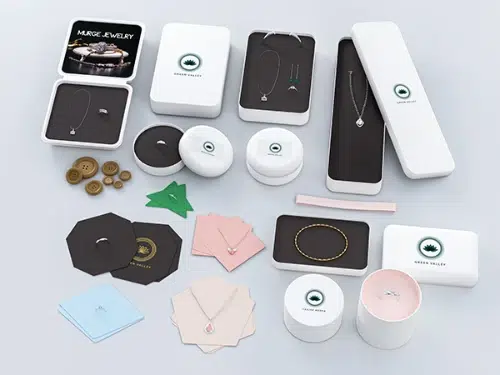
Modern sustainable packaging solutions are built on three foundational pillars that extend far beyond simple material choices. First is the material selection itself—prioritizing 100% recycled resources or rapidly renewable materials that minimize environmental impact. Second comes production optimization, where companies streamline manufacturing processes to reduce energy consumption and carbon emissions throughout the supply chain. The third and most transformative principle involves designing for circularity, creating packaging systems that can be repeatedly reused or easily reintegrated into production cycles.
Irish businesses are discovering that eco-friendly packaging solutions often yield unexpected benefits beyond sustainability. Many companies report improved brand perception, increased customer loyalty, and even cost savings from reduced material usage and waste disposal expenses. The transition to sustainable packaging also fosters innovation, pushing companies to rethink traditional designs and discover more efficient ways to protect and present their products while minimizing environmental impact.
Emerging Trends in Sustainable Packaging
Recyclable Materials Gain Momentum: With only 9% of plastic being recycled globally, paper and cardboard solutions are experiencing resurgence across Irish industries. These materials offer excellent recyclability while providing sufficient protection for many products. The food sector in particular is adopting innovative paper-based solutions that combine functionality with environmental responsibility, replacing traditional plastic packaging in numerous applications.
The Return of Reusable Systems: Inspired by the traditional milkman model, modern reusable packaging systems are making a comeback. These systems use durable materials that withstand repeated cleaning and sterilization, creating closed-loop cycles where containers are collected, cleaned, and refilled. This approach not only reduces waste but can also strengthen customer relationships through ongoing engagement.
| Trend | Key Features | Industry Adoption |
|---|---|---|
| Plant-Based Packaging | Biodegradable materials from cornstarch, sugarcane, bamboo | Food service, cosmetics, retail |
| Bioplastics | Renewable alternatives to fossil-fuel plastics | Consumer goods, electronics, healthcare |
| Eco-Friendly Inks | Water-based or vegetable-based printing solutions | All printed packaging applications |
| Minimalist Design | Reduced material use, optimized shapes | E-commerce, luxury goods, sustainable luxury packaging |
Overcoming Implementation Challenges
While the benefits of sustainable packaging are clear, Irish businesses face several practical challenges in implementation. Initial investment costs can be significant, particularly for small and medium enterprises looking to acquire new packaging equipment or reformulate their packaging designs. There's also the technical challenge of ensuring that sustainable alternatives provide equivalent product protection and shelf life compared to conventional materials, especially in sectors like food and pharmaceuticals.
"The transition to sustainable packaging requires more than just material substitution—it demands a complete rethinking of packaging systems from design to disposal. Irish businesses that approach this holistically are discovering opportunities for innovation that reduce environmental impact while creating value for their customers."
Consumer education represents another critical challenge. Many sustainable packaging formats require specific disposal methods that may not yet be universally understood. Businesses must take proactive steps to communicate proper disposal instructions through clear labeling and marketing campaigns. Additionally, some traditional packaging formats have strong brand recognition, requiring careful transition strategies to maintain consumer trust while introducing more sustainable alternatives.
Financial Solutions for Sustainable Transitions
Recognizing the financial barriers to sustainable packaging adoption, specialized financial services have emerged to support Irish businesses. Equipment leasing options allow companies to access state-of-the-art packaging machinery without large upfront capital investments. These financial solutions are particularly valuable for businesses implementing reusable packaging systems or transitioning to plant-based packaging formats, where specialized equipment is often required.
Irish businesses looking to transition to sustainable packaging have numerous resources available, from government grants to specialized financing options. The key is developing a comprehensive strategy that aligns environmental goals with business objectives and customer expectations.
The shift toward sustainable packaging in Ireland reflects broader global trends toward environmental responsibility in business practices. As consumer awareness grows and regulations tighten, companies that proactively embrace these changes will position themselves as leaders in their industries. The journey requires investment and innovation, but the rewards—ranging from regulatory compliance to enhanced brand reputation—make sustainable packaging not just an environmental imperative, but a smart business strategy for the future.